PAST MOVEMENT
Buying after
subsidence.
Assess reported subsidence, repair records and remaining uncertainty. Check the survey scope, specialist advice and lender requirements.
Subsidence survey: cost, cracks and next steps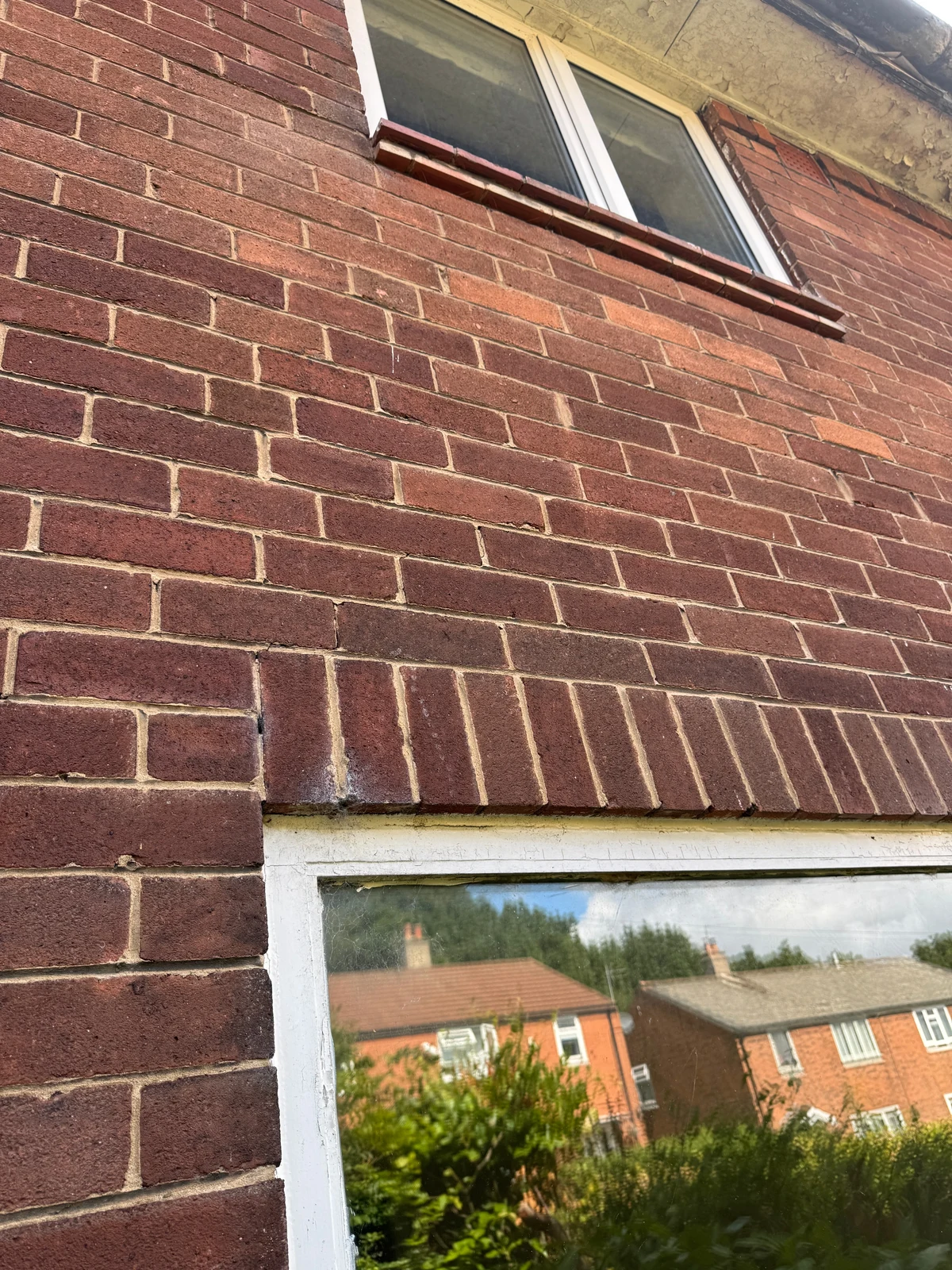 View photograph
Stepped cracking along mortar joints above a window opening.
Survey archive photographThe answer
Buying can be reasonable when the cause, repairs and present condition are understood.
A fresh coat of paint or a seller saying it was sorted does not establish that. Obtain the claim records and arrange an inspection with the movement history disclosed.
The evidence
Bring movement, repairs and records together.
- 01
Cause and chronology
Ask when movement was first noticed, what caused it, how it was investigated and when repairs finished. A drain repair and an underpinning scheme answer different problems; neither should be assumed from the word subsidence.
- 02
Evidence of resolution
Request investigation reports, monitoring results, repair specifications, completion records and any certificate issued. A Certificate of Structural Adequacy can help explain the repair, but its scope and author still matter.
- 03
Condition today
New cracking, recurring decoration damage and distorted openings need interpreting against construction, previous repairs and dates. A short inspection cannot prove that a building is stable across a full seasonal cycle.
- 04
Lender and insurer
Give the records to your lender and proposed insurer before you commit. Their acceptance is a separate decision from the surveyor’s opinion on physical condition. Do not assume the seller’s existing cover transfers automatically.
Read the detail
Choose an investigation that answers the remaining question.
Tell the practice about the history before booking. A Level 3 may be appropriate for the overall purchase, but it does not include a new monitoring programme, drain survey, soil investigation or structural design. Agree any specialist work separately.
If an earlier claim was closed without underpinning, that does not by itself mean the repair was inadequate. Equally, underpinning is not a guarantee against every future form of movement. Read the documented cause and remedy together.
Read the setting
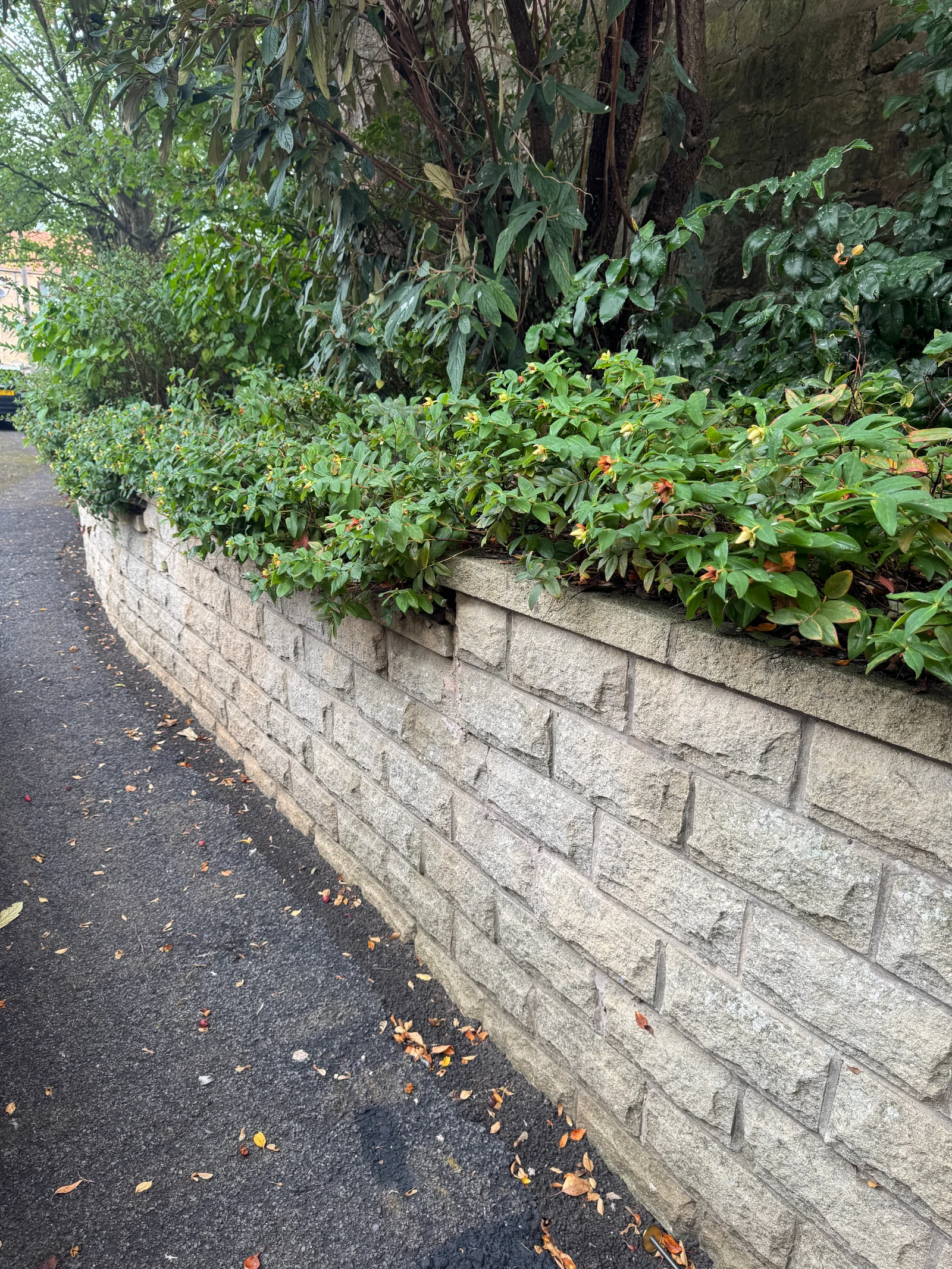
Movement beyond the house walls.
Before you commit
Work through the movement file.
- 01
Request the full history
Ask the seller for the complete movement and insurance file.
- 02
Review the disclosures
Have your conveyancer check disclosures, guarantees and any outstanding claim.
- 03
Confirm lending and insurance
Confirm lending and future insurance terms in writing.
- 04
Resolve the investigations
Resolve the surveyor’s specific outstanding investigations before exchange.
Scope and sources
Know what you are booking.
SurveyChoice arranges home surveys with a named independent practice. The practice provides the inspection and professional advice. Discuss known concerns, specialist requirements and access before accepting its terms.
Continue with Subsidence survey: cost, cracks and next steps for the next part of this decision.
Further reference: RICS: subsidence (opens in a new tab). Requirements depend on the property, agreed scope and jurisdiction.
The decision rule
Choose the scope from the property and resolve significant unknowns before committing.
Help me choose a surveyQuestions
A few good
questions.
Talk to us 01Can I get a mortgage on a house with past subsidence?
Some lenders accept documented repaired movement, but requirements depend on the lender, property and evidence. Ask your lender or broker with the actual records; a general article cannot confirm eligibility.
02Does every subsidence repair need underpinning?
No. The appropriate remedy depends on the cause and investigation. Repairing leaking drains or managing another identified cause may be sufficient in some cases.