Condition & practical advice
Level 2 Home Survey
For a conventional home in reasonable condition. Understand its condition, repair priorities and ongoing maintenance.
From £335Fixed total
Explore Level 2 For an older, altered or more complex home: the likely cause of each defect found, what follows from it, the repair options and what to investigate before you commit. One fixed total, from a named, RICS-regulated practice.
Choose a survey
Fresh paint and a beautiful kitchen are easy to appreciate. Understanding the structure, previous alterations and potential repair costs takes a closer look. Choose a survey suited to the property.
Condition & practical advice
For a conventional home in reasonable condition. Understand its condition, repair priorities and ongoing maintenance.
Deeper investigation & advice
For an older, altered or more complex home. Explore the causes of defects, repair options and further investigations.
These lowest totals apply to a 1–2-bedroom flat up to £250,000. Your property details set the exact price.
See how pricing worksNot sure which level fits?
Three questions will help you chooseWhat a survey finds
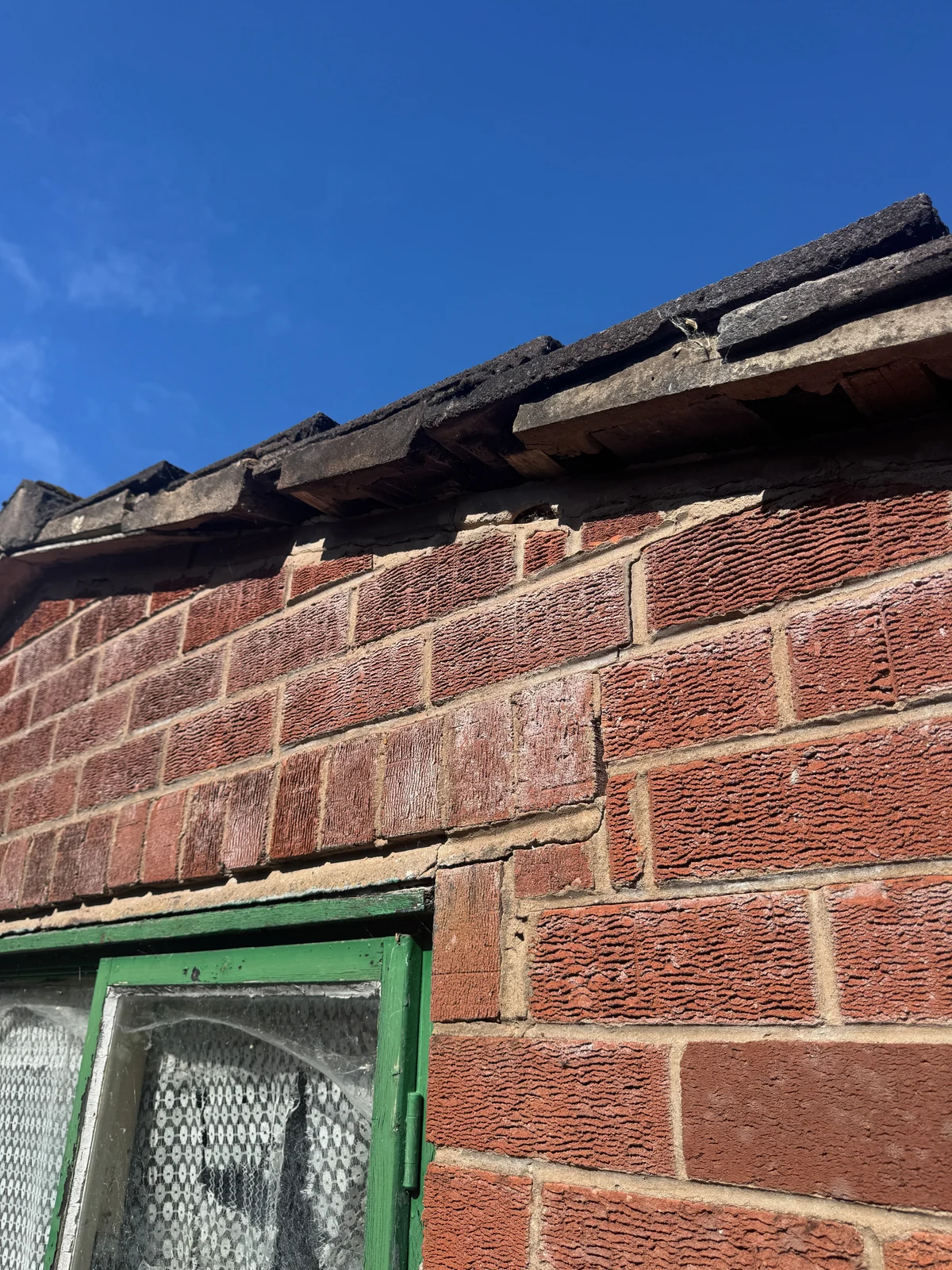
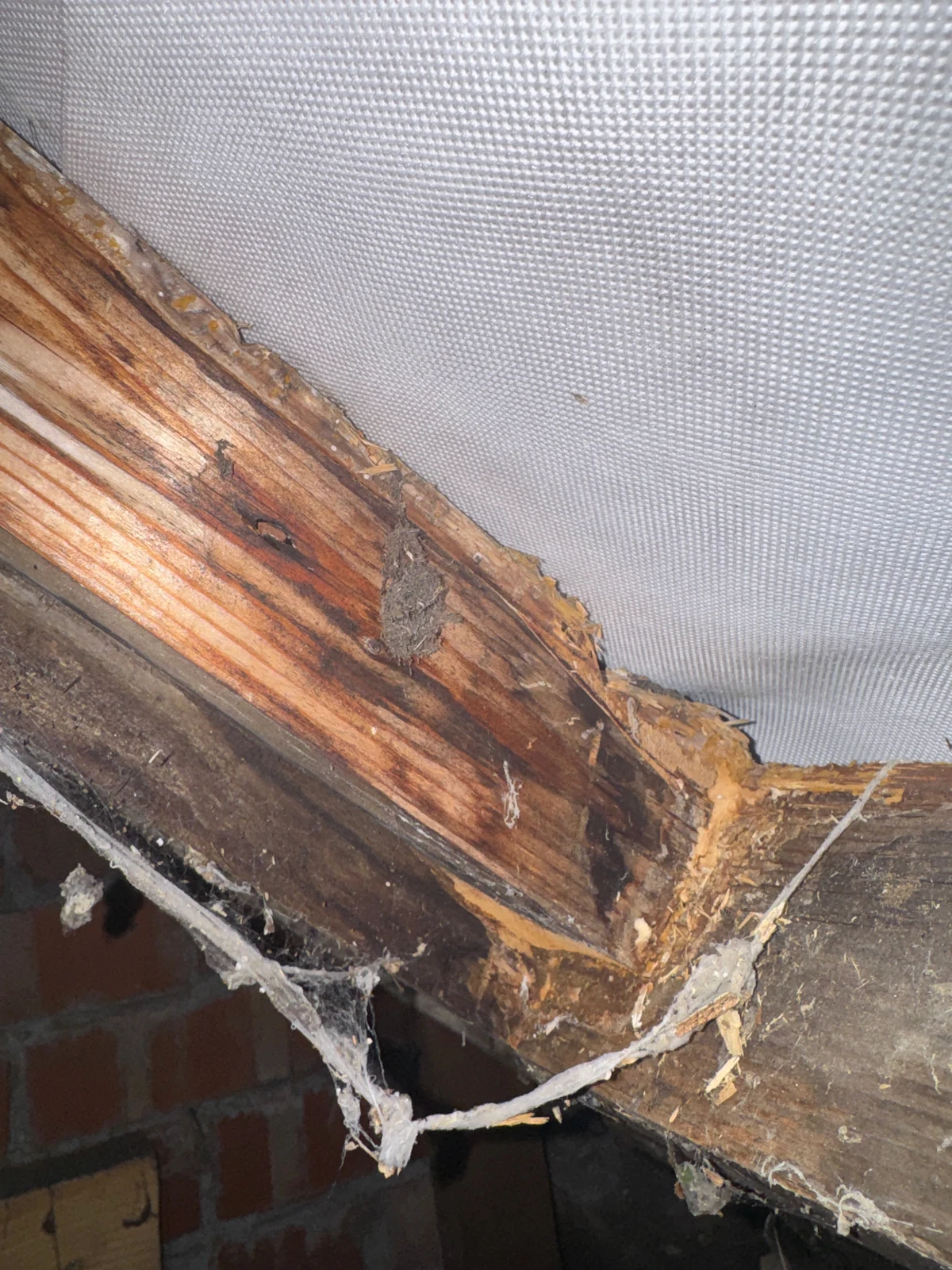
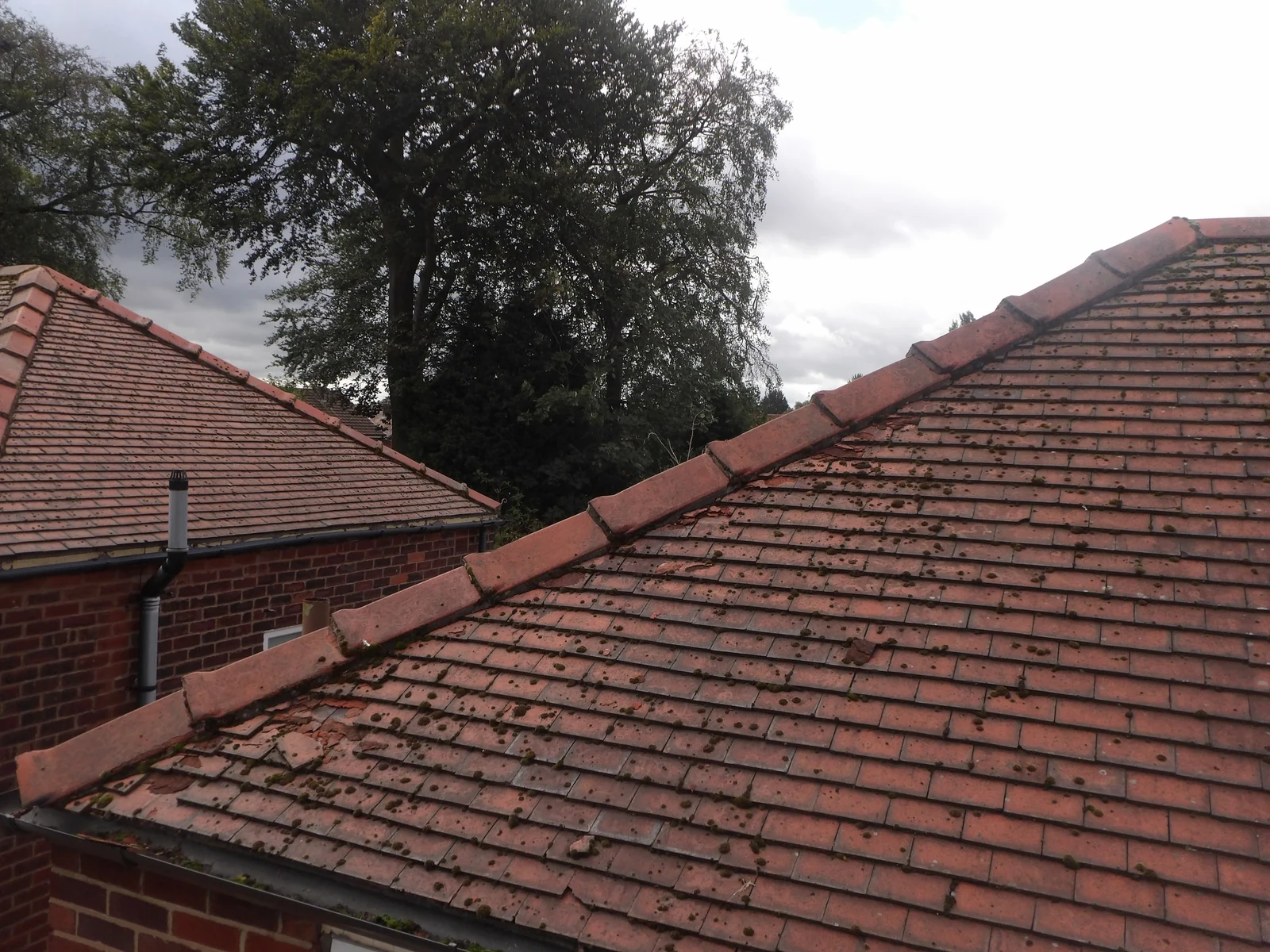
The same visible evidence, read further: a Level 3 survey sets out the likely cause of a defect like these, what follows from it and the repair options. Real inspection photographs.
What it covers
A Level 3 survey is often called a full structural survey; its current RICS name is a Home Survey Level 3 or Building Survey. It is the deeper choice for an older, altered, unusual or visibly defective home. Read the complete Level 3 survey guide, or check the published house-survey prices.
Tell the practice about extensions, loft conversions and work you hope to carry out. Level 3 gives more detailed advice on the building’s condition, likely causes of defects and repair options, helping you plan further investigations and future work.
What it does not cover
It remains a visual, non-invasive inspection unless another scope is agreed. It is not destructive testing, a full services test, valuation or a guarantee against concealed defects.
A survey cannot reveal everything behind finishes or in inaccessible spaces. Cracks, staining and distortion can still provide useful clues. The report explains inspection limitations and where further checks are needed. Property searches, specialist investigations and contractor quotations are separate from the survey unless expressly included in the practice’s terms.
Inspection depth
Explore how a Level 3 report connects visible evidence to construction context and a sensible repair path.
Level 3 · Visible evidence
A Level 3 survey gives more room to describe what is visible: its position, extent, relationship to neighbouring elements and the clues it presents.
A symptom is recorded before it is interpreted.
Before the inspection
A survey is more useful when the practice knows what worries you. Raise these before the inspection.
Ask what can be accessed and what will remain concealed.
Flag sticking frames, damaged glazing or misting between panes.
Share what you know and ask your conveyancer about planning and building regulations records.
Mention nearby trees or known mining history, and ask which searches or specialist advice may be needed.
Local pages
Coverage being arranged: Blackpool, Chester, Crewe and Liverpool.
Coverage being arranged: Hull.
Open the report
A useful report joins up what the surveyor could inspect, what they found and what you should do with that information.
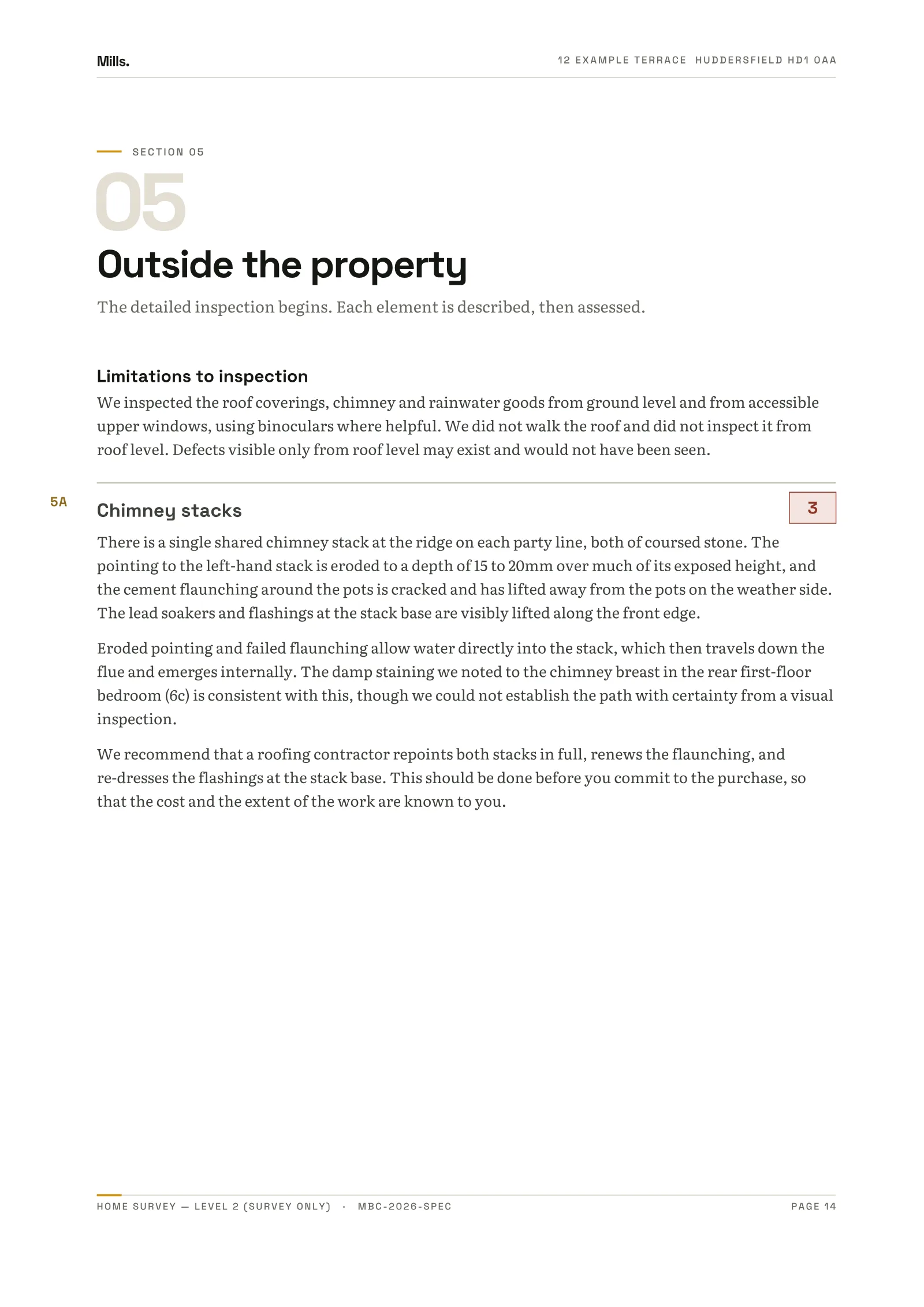
Explore four parts of this page from the fictional Level 2 specimen. It shows how to read the advice, rather than treating a condition rating as the whole answer.
Explore a page of the report
The specimen records a ground-level inspection, with accessible upper windows and binoculars where helpful. It also says the roof was not walked. Read the limits alongside the findings; unseen areas remain uncertain.
MBC-2026-SPEC / PAGE 14 / FICTIONAL PROPERTY
An illustrative report; no inspection took place.
Who you book
This is a page from our Level 2 sample report, not a Level 3 sample. It gives the finding and the repair; a Level 3 sets out the likely cause and the repair options in more depth. The practice’s Terms of Engagement confirm the scope for your property.
There is a single shared chimney stack at the ridge on each party line, both of coursed stone. The pointing to the left-hand stack is eroded to a depth of 15 to 20mm over much of its exposed height, and the cement flaunching around the pots is cracked and has lifted away from the pots on the weather side. The lead soakers and flashings at the stack base are visibly lifted along the front edge.
We recommend that a roofing contractor repoints both stacks in full, renews the flaunching, and re-dresses the flashings at the stack base. This should be done before you commit to the purchase, so that the cost and the extent of the work are known to you.
From quote to inspection
Enter the postcode and property details to check availability and price. Compare the two survey levels if you are unsure which fits.
Confirm your details, review the named practice, and accept the professional Terms of Engagement yourself. SurveyChoice arranges the booking; the independent practice delivers your survey.
Accept the terms and authorise your card through your private booking. The card is only held at this point — payment is taken the moment the practice accepts your instruction, and if it cannot take it, the hold is simply released. The practice then agrees access and confirms the appointment; a preferred window is a request until the practice confirms it.
Questions
A Level 3 Building Survey provides more detailed commentary on visible defects, likely causes, consequences, repair options and further investigation for older, altered or complex property.
Published Level 3 prices start from £570. The exact fixed total is shown from the property details before contact details are requested.
No. It is a detailed visual property survey. Where evidence needs calculation, monitoring, opening-up or specialist testing, it will recommend the appropriate further investigation.