Condition & practical advice
Level 2 Home Survey
For a conventional home in reasonable condition. Understand its condition, repair priorities and ongoing maintenance.
From £335Fixed total
Explore Level 2 LEVEL 3
The Level 3 — the Building Survey, in older money the “full structural” — does not just rate condition. It considers likely causes, repair priorities and repair options within a more extensive visual inspection. From £570 fixed.
The answer
“Full structural survey”, “Building Survey” and “Level 3” are the same terms commonly used for this service, but check the written scope rather than relying on a label. It is not a structural engineer’s assessment. Specific structural concerns may require a separate engineering inspection, analysis or design, even after a Level 3.
What the extra depth buys
A more extensive visual inspection, with time suited to the property’s size, construction and complexity.
How the building is actually put together, which makes diagnosis possible.
Assessment of likely causes from accessible evidence, with further investigation where the cause cannot be established.
What is urgent, what follows if you leave it.
Repair approaches and their implications, with advice on further specialist assessment where needed.
Symptom vs cause
Both levels can identify visible damp and recommend further investigation. Level 3 adds more detailed consideration of likely causes and repair options. The example below shows how advice might read where the available evidence supports that explanation; concealed conditions may still need investigation.
The patio laid in the 1990s raised external ground above the damp-proof course; moisture may be bridging into the wall. Check the ground levels and wall construction before deciding on remedial work.
Assess whether ground levels and drainage can be improved without affecting foundations or neighbouring land. Agree a suitable repair approach and allow for drying before specifying internal finishes.
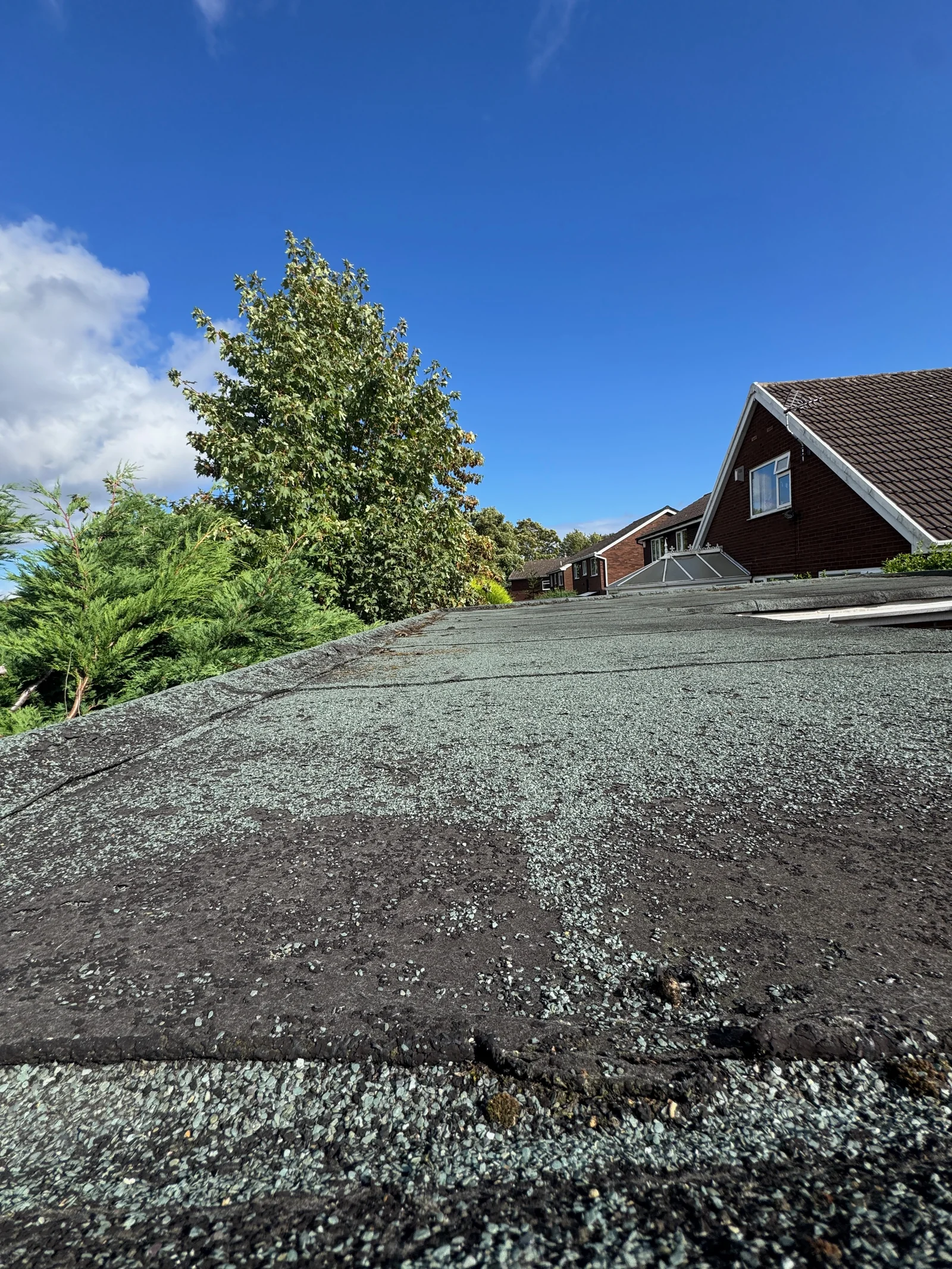
Weathered mineral-surfaced felt, with seams and patches of differing surface finish. Real photograph from the survey archive.
The choice
Two depths of inspection from a named, RICS-regulated practice, each at a fixed total. The building, not the budget, decides which.
Condition & practical advice
For a conventional home in reasonable condition. Understand its condition, repair priorities and ongoing maintenance.
Deeper investigation & advice
For an older, altered or more complex home. Explore the causes of defects, repair options and further investigations.
These lowest totals apply to a 1–2-bedroom flat up to £250,000. Your property details set the exact price.
See how pricing worksNot sure which level fits?
Three questions will help you chooseThe six triggers, interactive
Select the features that may call for a deeper scope, then discuss the suggested starting point with the practice. This is a guide, not a property assessment.
The local factor
Across much of the North and Midlands — the stone terraces and Victorian semis of towns like Huddersfield, Leeds, Sheffield and Nottingham — you will find older solid-wall homes alongside later construction. The address alone does not decide the service. A conventional home in reasonable condition may suit a Level 2 survey; alterations, unusual materials or defects may call for a deeper scope. Send the practice the property details and your concerns.
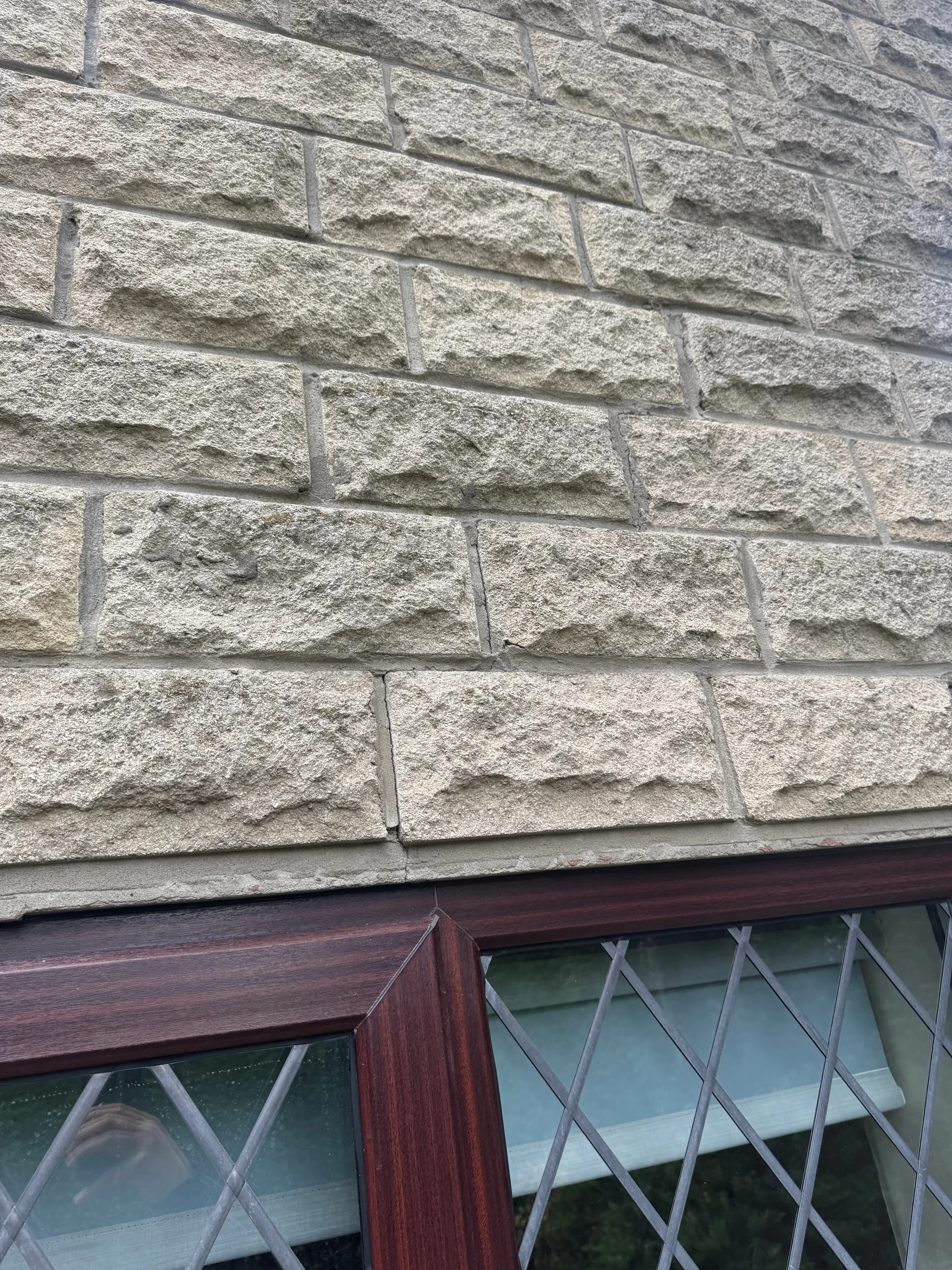
A crack through a window lintel and the masonry joints above it. Real photograph from the survey archive.
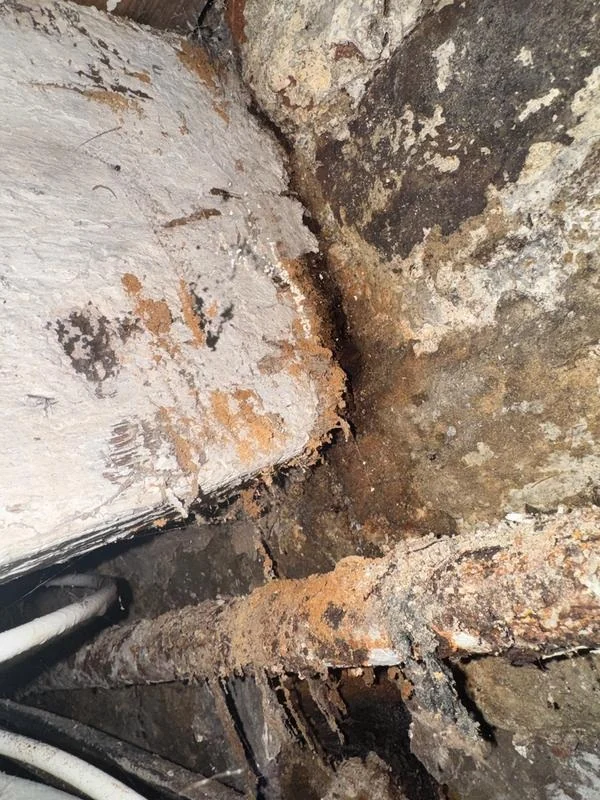
Deteriorated timber at the cellar wall, with corroded metalwork immediately below. Real photograph from the survey archive.
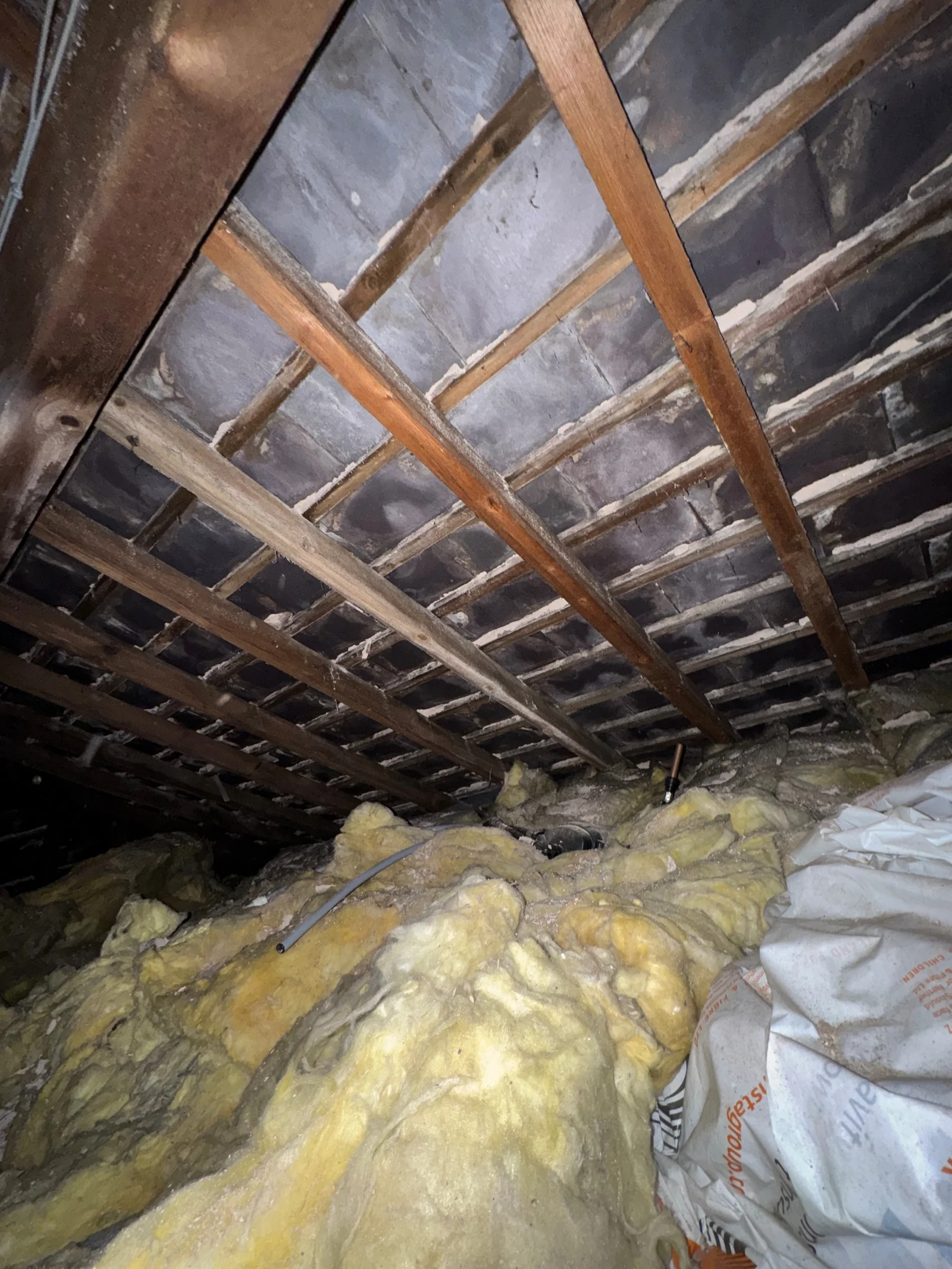
Slates, battens and rafters above the roof-space insulation, with mortar torching along some slate joints. Real photograph from the survey archive.
The decision rule
Older, altered, unusual or in poor condition? Discuss Level 3 and any specific investigation with the practice.
Get my Level 3 priceWorth it?
Both levels may recommend further investigation. Level 3 is still a visual, non-invasive service: it cannot see through finished walls or replace specialist testing. Where access or evidence is insufficient, ask what remains uncertain, who should investigate and when that advice is needed before you commit.
Structural survey cost
If you mean a Level 3 Building Survey, SurveyChoice’s published starting total is £570. That starting price is not a quote for every house: enter the property details for its fixed total.
Full structural survey is commonly used for a Building Survey. A structural engineer’s inspection or calculations are a different instruction and need their own scope and fee.
The displayed quote reflects the property information supplied. Tell the practice about unusual construction, major alterations or an existing defect so it can confirm suitability before you commit.
Surveying non-standard constructionA standard Level 3 does not automatically include electrical testing, drain CCTV, opening up or a movement-monitoring programme. Price those only where the question and required scope are clear.
What further investigation involvesQuestions
The most detailed RICS home survey: a thorough inspection of all visible and accessible parts of the property, with a report analysing the construction, the causes and urgency of defects, and realistic repair options. It is also known as a Building Survey or, informally, a full structural survey.
Yes — full structural survey is the older name for what is now the RICS Home Survey Level 3 (Building Survey). It is not the same as a structural engineer's report, which is a separate calculation-based service for a specific structural problem.
SurveyChoice’s published starting total is £570, including the follow-up call. Enter the property details for its fixed total and tell the practice about unusual construction, alterations or known problems.
The inspection and report timetable depends on the property, access and the practice’s availability. Ask the practice to confirm the expected visit length and written-report delivery date before booking.
Level 3 is often suitable for older, large, altered, unusual or run-down properties, and where major work is planned. Age alone is not a cut-off: discuss the home’s construction, condition and your plans with the practice before choosing.