THE PROCESS
What surveyors
do on the day.
Who comes, what they check, how long it takes and what happens after the visit. This is what a home survey looks like in practice.
How long does a house survey take?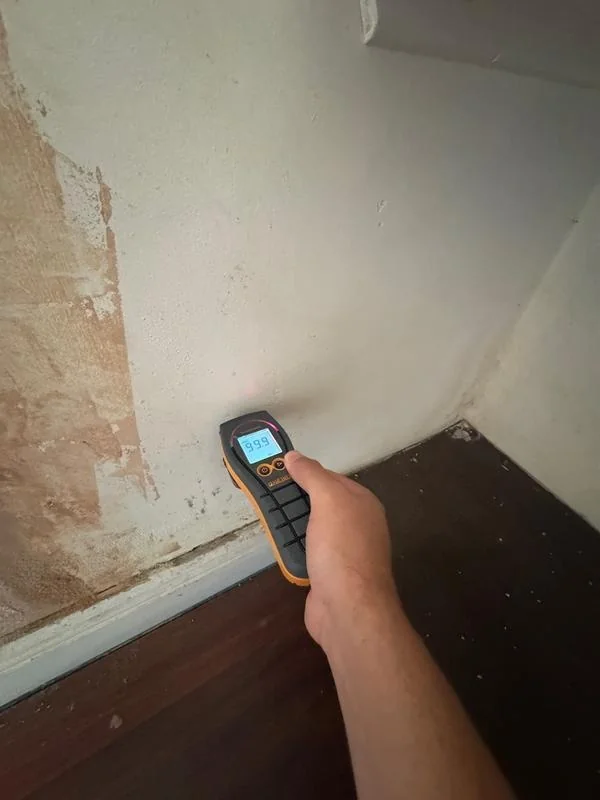
The answer
An accessible inspection, recorded findings and a follow-up conversation.
The surveyor looks at everything that can be reached and seen safely, records defects and risks against the RICS Home Survey Standard scale, and writes the report after leaving. The practice then goes through the findings with you. The inspection is non-invasive, so it flags what needs a specialist rather than testing it.
Visit day
The day of the inspection, in six steps.
A visual inspection of the accessible property, outside to inside to roof space. A Level 3 records more detail and considers likely causes and repair implications.
- 01
Arrival and access
Access is arranged with the selling agent or the owner, so you do not need to be there. The surveyor notes at the start anything that limits what can be seen.
- 02
The outside first
The roof, chimneys, walls, gutters and downpipes, windows and doors, then the grounds and boundaries, from the ground and wherever it is safe to look.
- 03
The inside, top down
Room by room from the highest floor to the lowest, reading the visible structure and finishes for cracking, damp, movement and past repairs.
- 04
The roof space and the services
The loft where it can be entered safely, and the visible parts of the electrics, gas, water, heating and drainage. They are looked at, not tested.
- 05
Photographs and notes
Measurements are taken where needed, and photographs record each defect and risk, so the report can show what was seen rather than only describe it.
- 06
The write-up
After leaving, the surveyor reviews the photographs and notes, considers the evidence and prepares the report, with recommendations in a clear priority order.
The judgement
The inspector reads the property
before the report exists.
A real inspection includes roof spaces and exterior access where safe, condition checks on visible structure and finishes, and a practical judgement on obvious defects. The surveyor works from an inspection template aligned to your chosen survey level, and captures recommendations with a clear priority sequence.
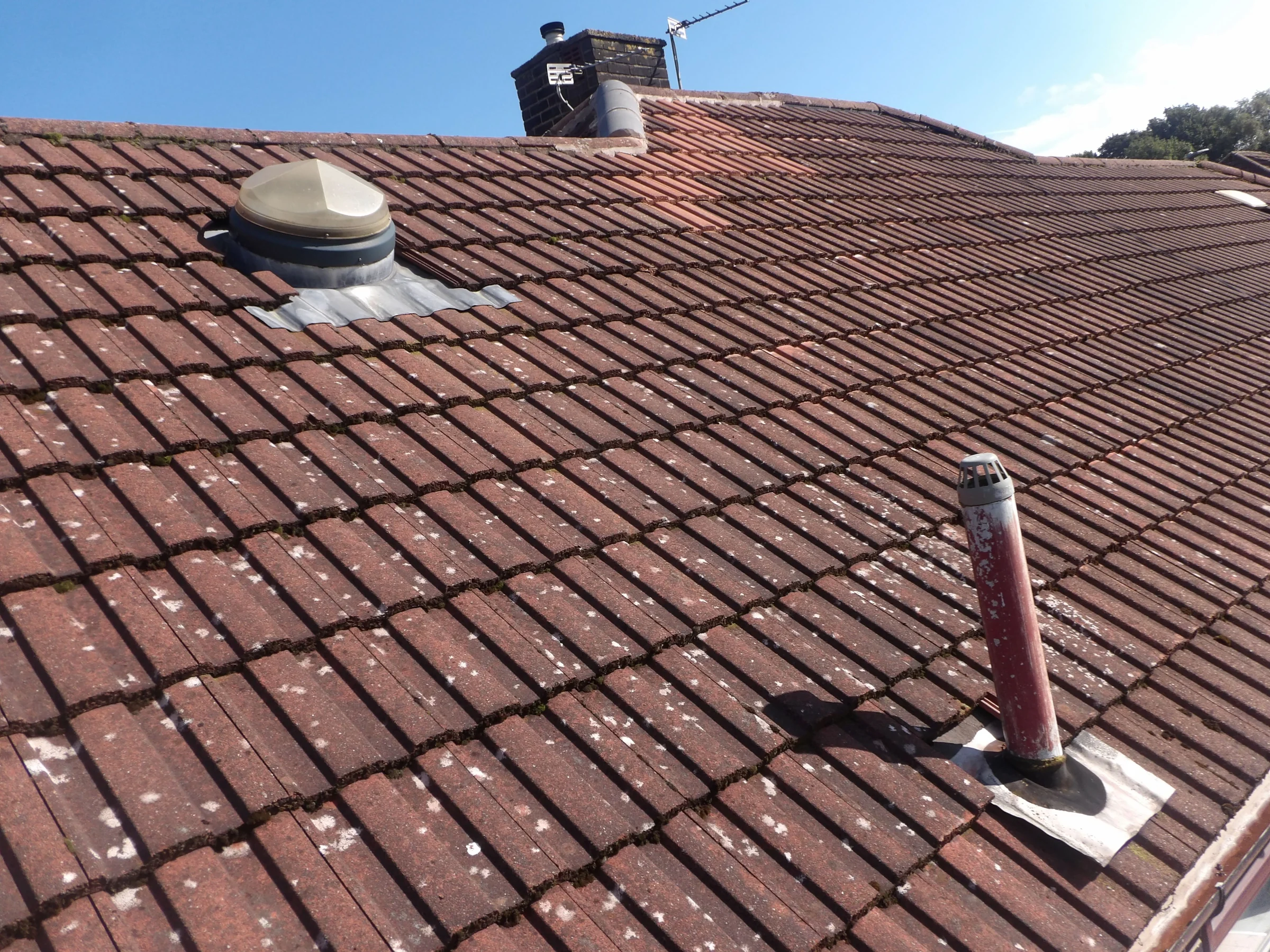
Vent pipes and flashings on a tiled roof
Vent pipes and flashings through a tiled roof slope. Real photograph from the survey archive.
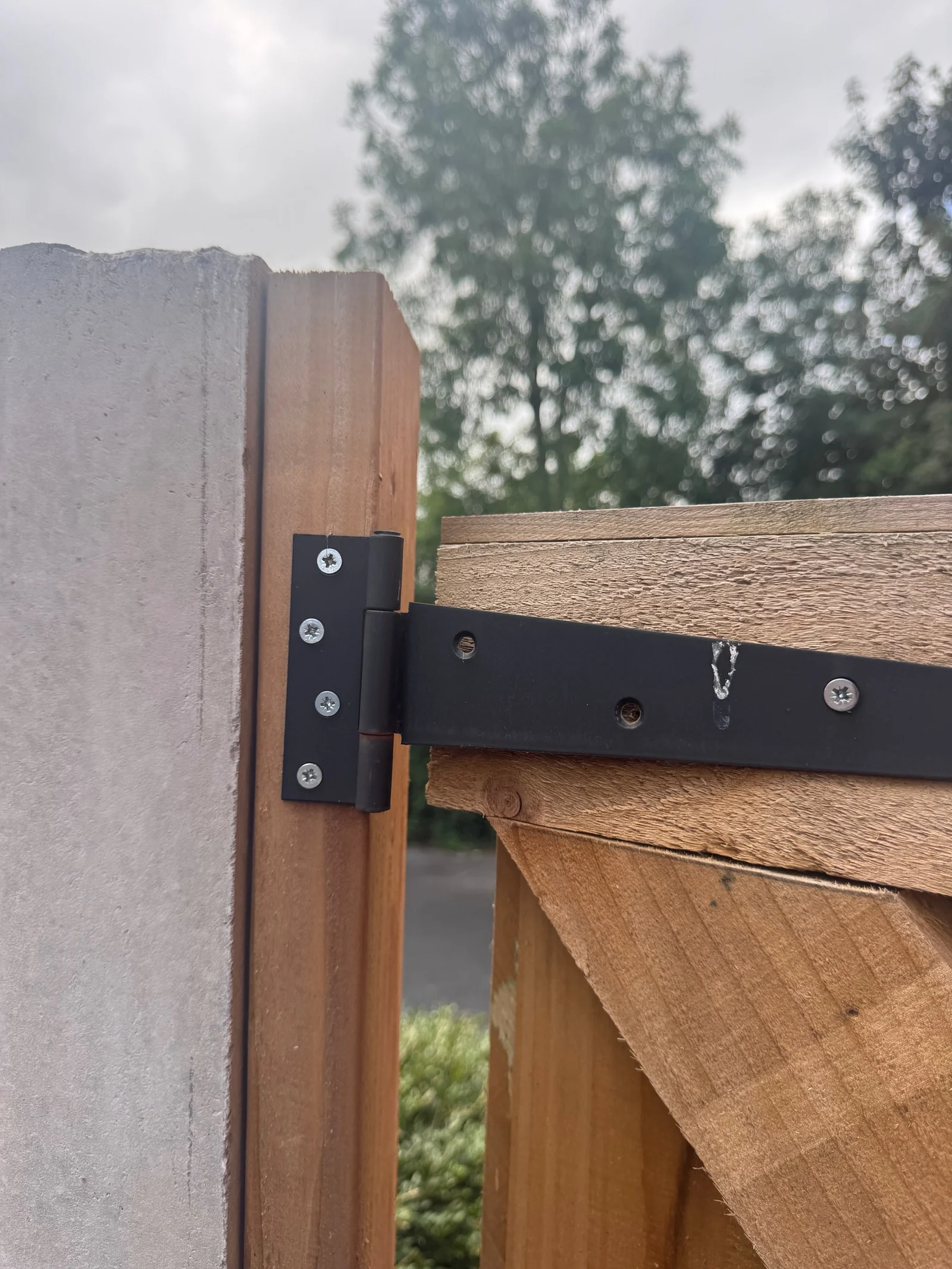
Missing screws in a gate hinge
Two missing fixing screws on the gate side of a strap hinge. Real photograph from the survey archive.
Boundary
Non-invasive
is not a weakness.
A standard home survey is a visible-condition assessment. It does not replace specialist testing where live assessment or destructive inspection is required. Good surveyors will flag this clearly and recommend the right specialist when visual signs suggest a deeper check is needed.
Timing
Hours, days, weeks.
Three different questions get asked as one. Only the first two are in the surveyor’s hands.
- 01
On site: two to four hours
A house survey inspection commonly takes around two to four hours. A small, straightforward property may take less; a large, older, altered or defective home can take longer, and a Level 3 usually asks for more time still.
- 02
The report: a few working days
Inspection time is not the same as report turnaround. Ask for the expected delivery date when you instruct: access, complexity and current workload all affect it, so a universal guarantee would be misleading.
- 03
Completion: set by the chain
Neither of those sets your completion date. That follows searches, the mortgage offer and the chain, and a survey booked when your offer is accepted runs alongside them.
Report and reaction
You receive findings.
Not a mystery PDF.
After inspection, the report is produced with condition ratings, findings, likely repair routes and clear next-step options. Then the practice follows up with a conversation so you are not left to decode wording without support.
Questions
A few good
questions.
Talk to us 01How long does a house survey take?
The property inspection commonly takes around two to four hours, but size, age, condition, access and survey level can make it shorter or longer. The report follows after the surveyor has reviewed the evidence; confirm the expected delivery date with the practice for your property.
02What exactly happens on survey day?
The surveyor makes a structured visual inspection of accessible areas, takes measurements and photos where needed, and records defects and risks using the RICS Home Survey Standard scale and format.
03Do I need to be at the property for the inspection?
No. The surveyor arranges access with the selling agent or the owner. You are welcome to ask the practice for a call afterwards to talk the findings through.
04Who is actually accountable for the inspection?
The named practice is accountable for the inspection and report, and the practice’s RICS surveyor carries out the inspection. SurveyChoice handles pricing, matching and routing; the practice remains accountable for the work, recommendations and standards compliance.
05Will we get a call after the report?
Yes. A report is useful only when explained. Every survey booked through SurveyChoice includes a follow-up conversation with the practice that inspected, going through the findings, priorities and repair options with you.
06What does a survey not do?
A standard survey is non-invasive and does not replace specialist tests such as full gas safety checks, electrical safety certificates, drainage camera tests, or structural engineering investigations.